


Dinosaurs » Did-You-Know Dinosaur Facts
Dinosaurs ruled the Earth for millions of years and continue to amaze scientists, fossil hunters, and dinosaur lovers around the world.
From feathered hunters to giant plant-eaters, the prehistoric world was filled with incredible species, surprising behaviors, and amazing fossil discoveries.

Velociraptor was much smaller than shown in many movies and was likely covered in feathers.
Stegosaurus had large plates on its back and a powerful spiked tail that may have been used for defense.
Triceratops had three horns and a strong bony frill that helped protect its head and neck.
Brachiosaurus used its long neck to reach high vegetation that other dinosaurs could not easily eat.
Fossil evidence suggests Maiasaura may have cared for its babies in organized nesting grounds.
Some dinosaurs built nests and may have returned to the same breeding grounds each year.
The word dinosaur means “terrible lizard,” even though dinosaurs were not actually lizards.
Birds are considered living dinosaurs by many scientists because they evolved from theropods.
The earliest dinosaurs began appearing during the Late Triassic period.
Dinosaurs became dominant after the end-Triassic extinction event.
Many famous species like Tyrannosaurus rex and Triceratops lived in this period.
A catastrophic event ended the age of non-avian dinosaurs.

Velociraptor was a small but agile predator that likely had feathers. It is one of the most misunderstood dinosaurs because movies often show it as much larger than it really was.
Some dinosaurs had hollow bones like birds.
Not all dinosaurs were gigantic; some were tiny.
Some species lived in herds for protection.
Many fossils are found in deserts and cliffs.
Birds are the closest modern relatives of dinosaurs.
Dinosaur eggs and nests reveal parenting behavior.
All dinosaurs were giant reptiles with scales.
Some dinosaurs were small, bird-like, and likely feathered.
Humans lived alongside dinosaurs.
Dinosaurs became extinct long before humans appeared.
A. Triceratops B. Velociraptor C. Stegosaurus
Dinosaurs inspire imagination because they are mysterious, powerful, and ancient. Children enjoy learning their names, comparing their sizes, and discovering what life on Earth looked like millions of years ago.
Every new fossil discovery gives us another clue about the ancient Earth. Dinosaurs remain one of the most exciting windows into prehistoric life, evolution, extinction, and natural history.
Discover more dinosaur lists, prehistoric facts, fossils, and amazing creatures across Rare Resource.
View Dinosaur ListMeat-eating dinosaurs like Tyrannosaurus rex were powerful hunters with sharp teeth.
Plant-eaters like Brachiosaurus had long necks to reach tall trees.
Some dinosaurs ate both plants and animals depending on availability.
The largest dinosaur eggs were about the size of a football, while the smallest were no bigger than a chicken egg!

Tyrannosaurus Rex
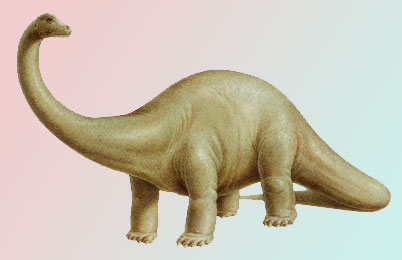
Diplodocus
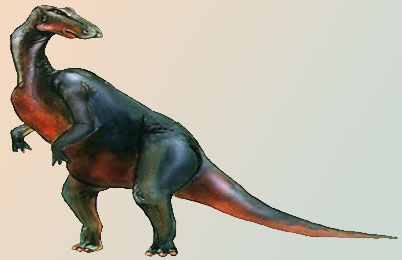
Edmontosaurus
Explore our full collection of dinosaurs, fossils, and prehistoric discoveries.
Explore All Dinosaurs